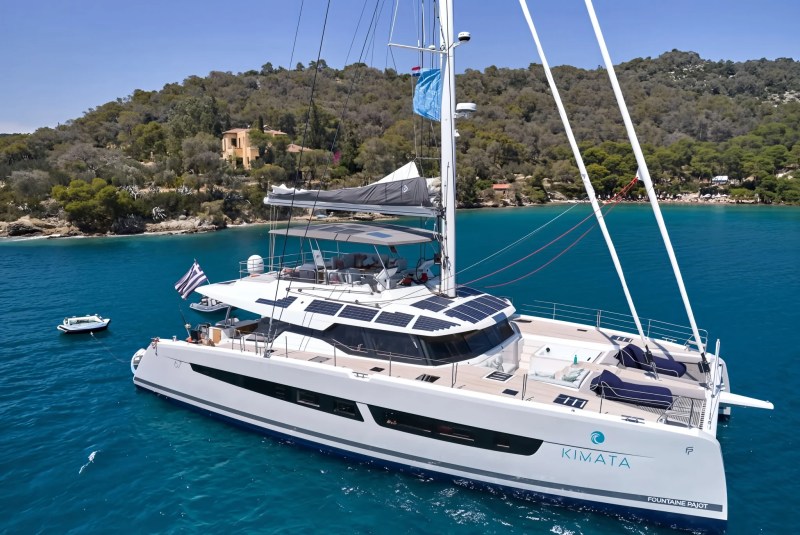
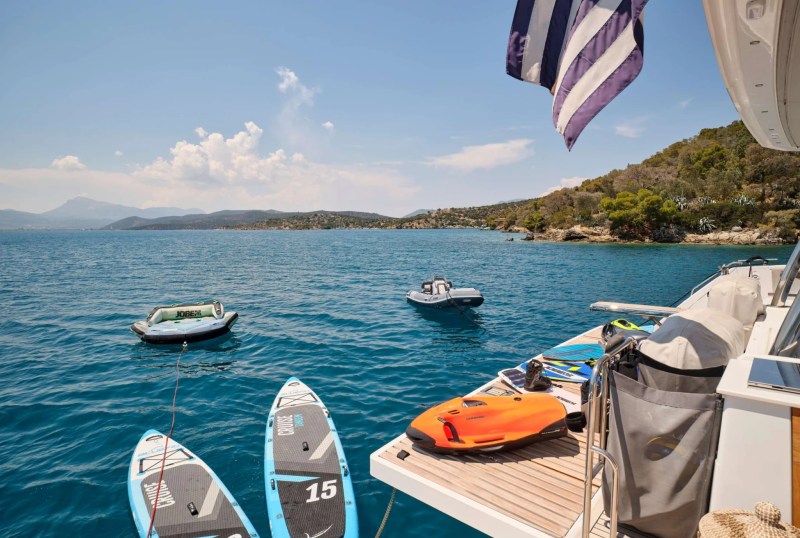
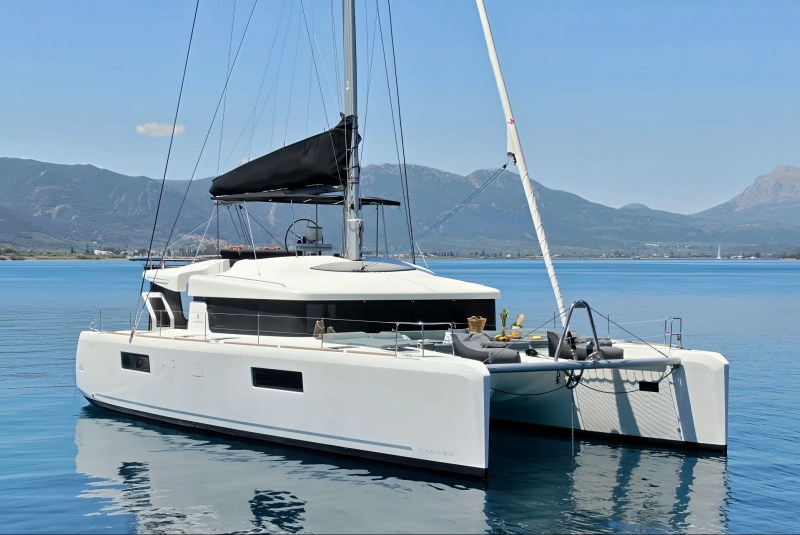
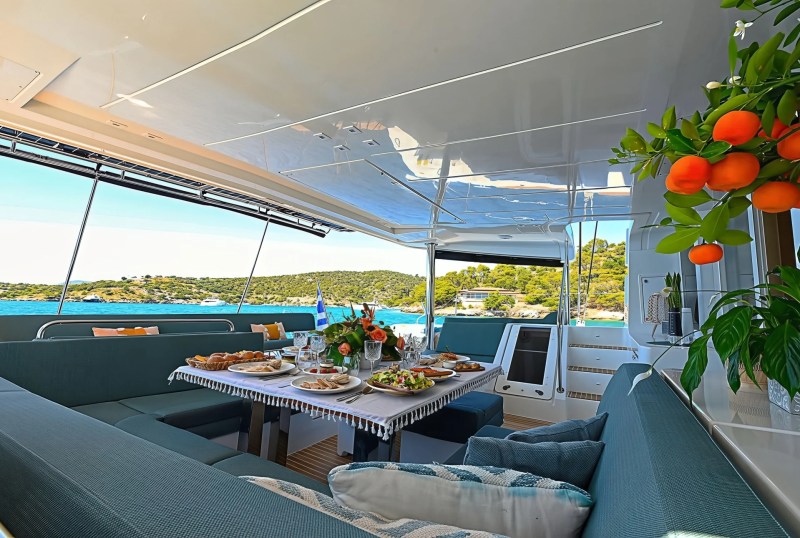
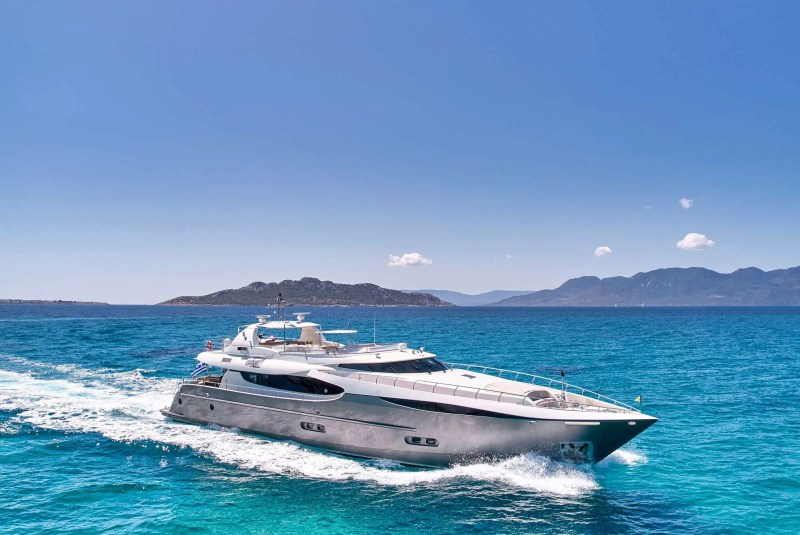
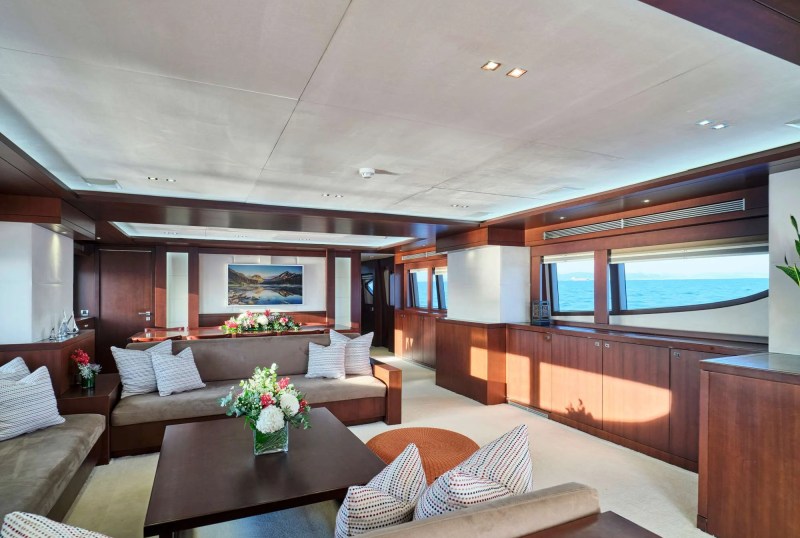
Athens is where many Greece yacht charters begin, but it is not just a transit point. Most of our clients who start here arrive at least one night early or stay a day or two after the charter because Athens adds real value to the trip: major landmarks, strong hotels, excellent restaurants, and easy logistics between the airport, the city, and the marinas.
This page is about Athens itself: where you will most likely be docked, where to stay, where to eat, what to do, and how to get around before or after you board. If you are still deciding whether Athens is the right yacht start point, or which islands make sense from here, read our Athens Yacht Charter guide.
Athens is still Greece’s main charter hub, which means the city works unusually well as part of the charter itself. You can do a proper Athens stay, step onboard smoothly, and then head straight into the islands without wasting time.


Where Will You Most Likely Be Docked in Athens?
The exact marina depends on the yacht you choose, but we confirm that clearly during the booking process so clients know where they will board and what the transfer will look like.
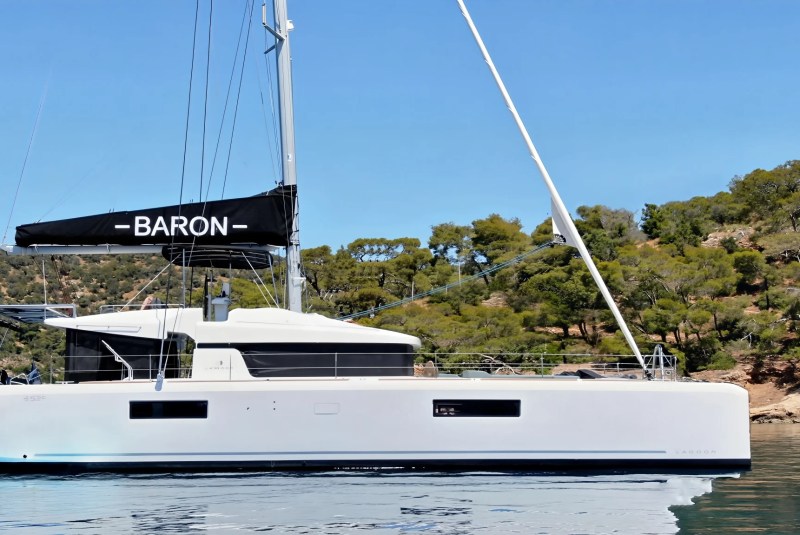
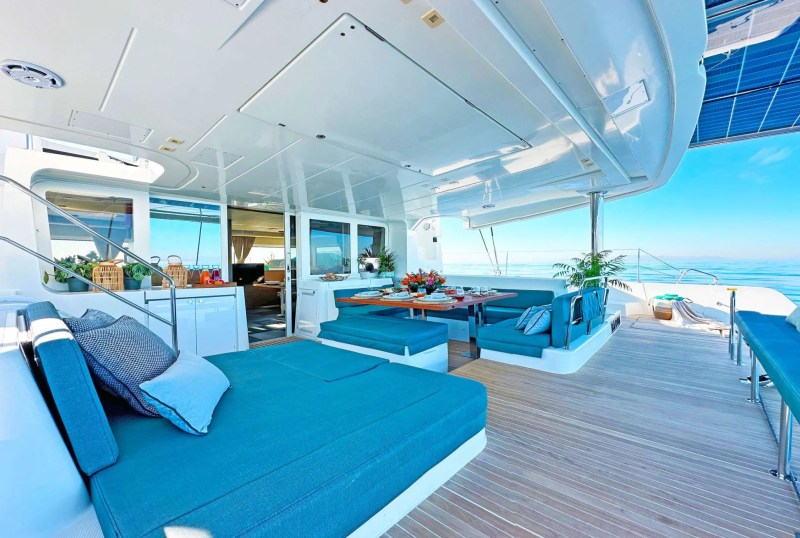
Alimos Marina is the main charter workhorse and the most common Athens embarkation point for crewed catamarans and many sailing yachts. It is practical, busy, and easy from the airport.
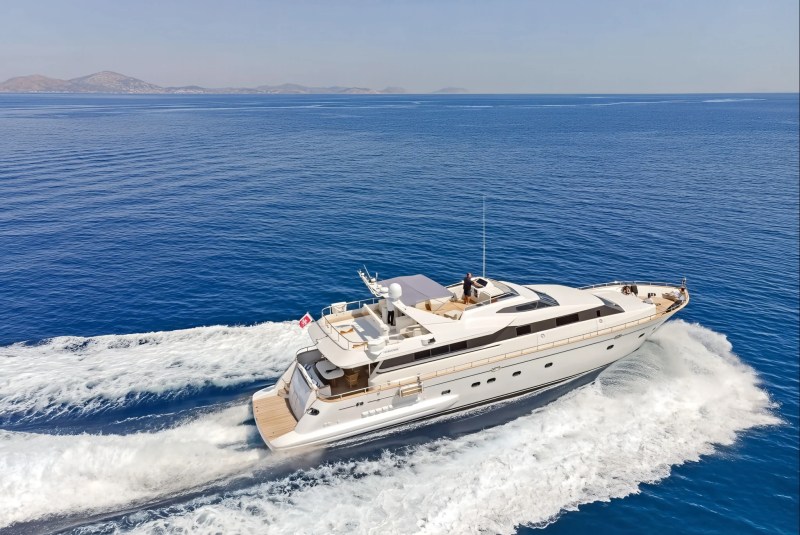
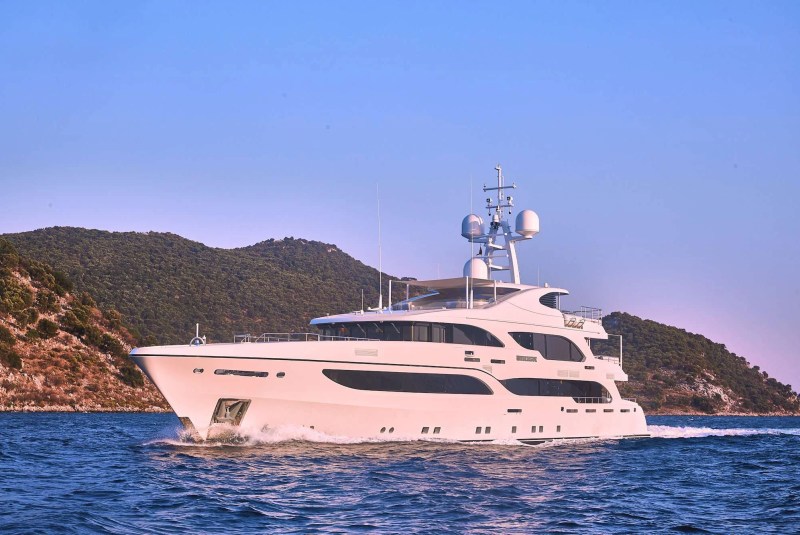
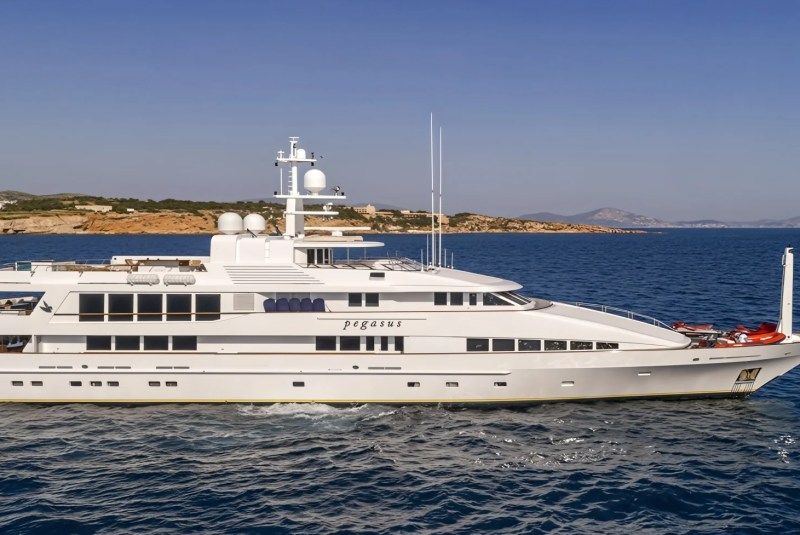
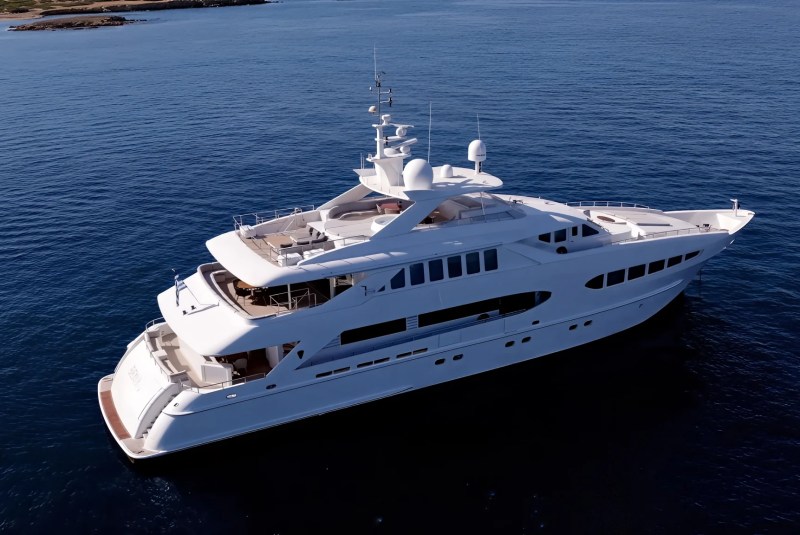
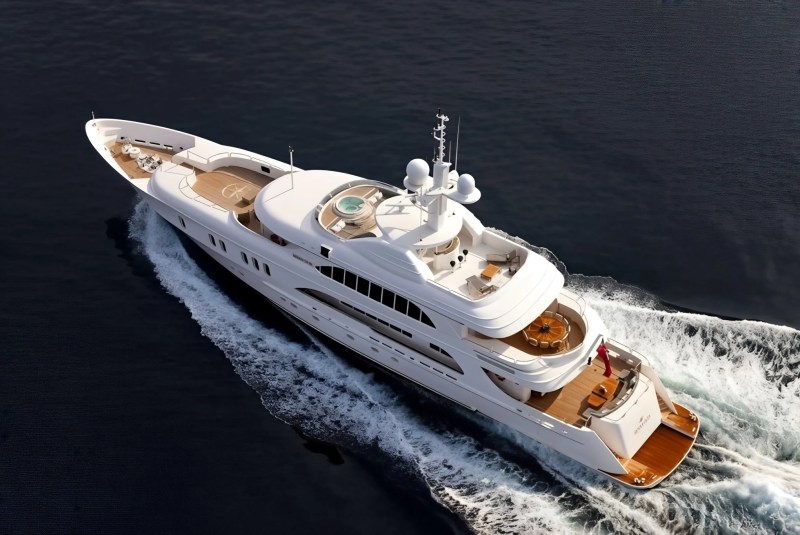
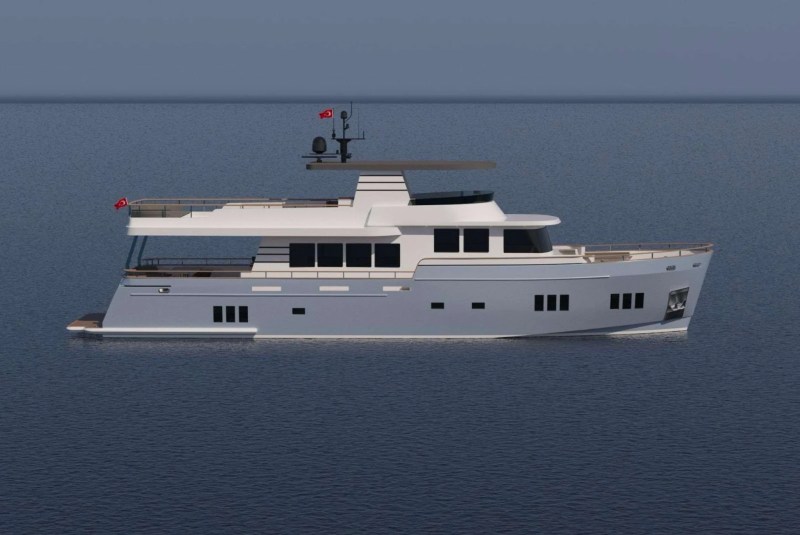
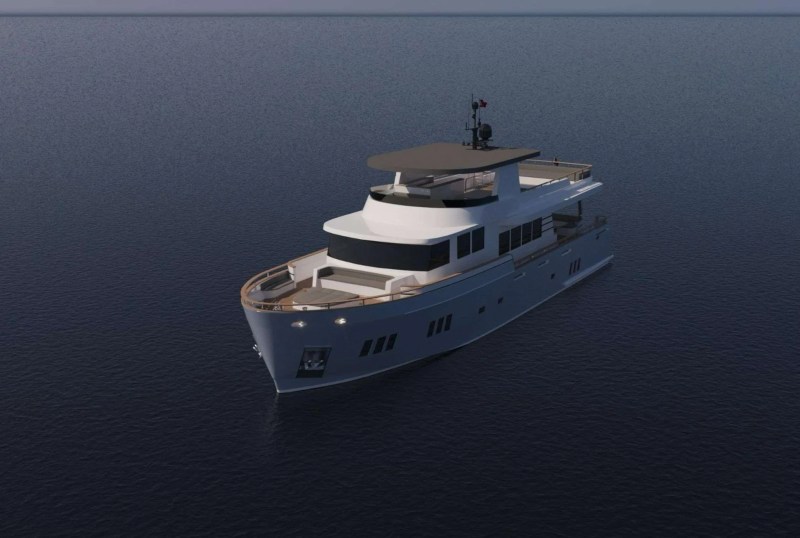
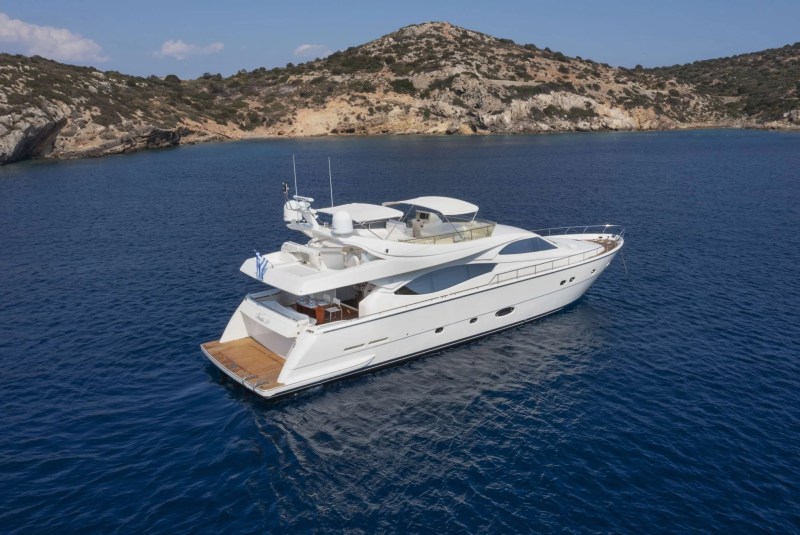
Flisvos Marina and Marina Zea are the more common Athens bases for larger and more polished motor-yacht charters. Flisvos feels more Riviera; Zea puts you closer to central Athens and Piraeus.
Lavrio is relevant too, even though it sits outside central Athens. Some charters start there because it gets you moving faster toward the islands. Astir Marina in Vouliagmeni is the boutique, ultra-high-end option for select larger yachts.
Our local brokers in Athens know these bases firsthand, which matters when matching the right yacht to the right part of the city and to the kind of pre- or post-charter stay you want.
How to Get Around Athens Before or After Your Charter
Athens is easy to navigate for charter guests as long as you plan around traffic. From ATH to the marina, you are usually looking at roughly 30 to 60 minutes, depending on where the yacht is based and what time of day you are moving.
Most clients do not need a rental car. A pre-booked transfer or a taxi is normally the easiest solution on charter day, especially if you are traveling with luggage, children, or several couples arriving on different flights.
If your priority is sightseeing, stay in central Athens and give yourself extra time on embarkation day. If your priority is easy boarding, beach clubs, or a more relaxed pre-charter night, the Athens Riviera can make more sense. We help clients decide that based on the yacht’s marina and the kind of city stay they want.
Where to Stay and Eat in Athens
We recommend building in at least one Athens night pre-charter, and two if you are flying long-haul. That gives you time to settle in, do Athens properly, and start the yacht calm rather than rushed.
These are the two Athens guides we send most often to clients. They are the fastest way to narrow down the right hotels and restaurants before the trip.

12 Best Restaurants in Athens to Visit on Your Crewed Yacht Charter
Read More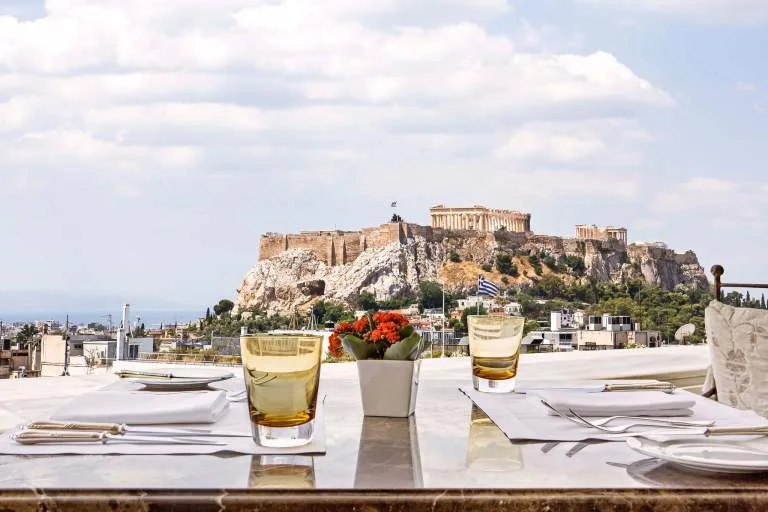
Top 5 Luxury Hotels in Athens to Stay Before or After Your Charter
Read MoreWhat to Do in Athens Before or After Your Charter
If you have one or two days in Athens, these are the stops we recommend most often. You do not need to do everything. The right mix depends on whether you want major landmarks, a good museum, an easy walking neighborhood, or one strong Athens day before heading to the islands.
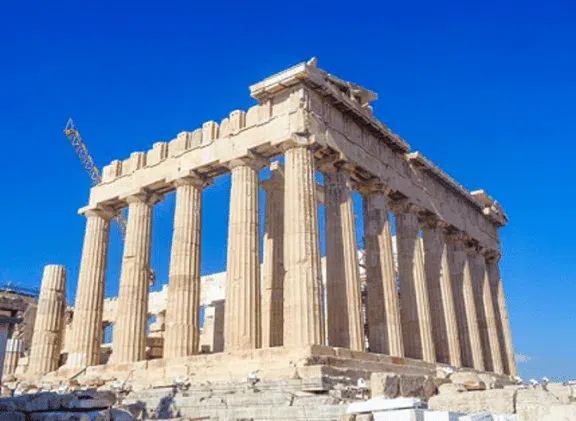
The Acropolis
If you do one thing in Athens, make it this. It is the essential first stop, and it gives the city its real weight before you switch into yacht mode.
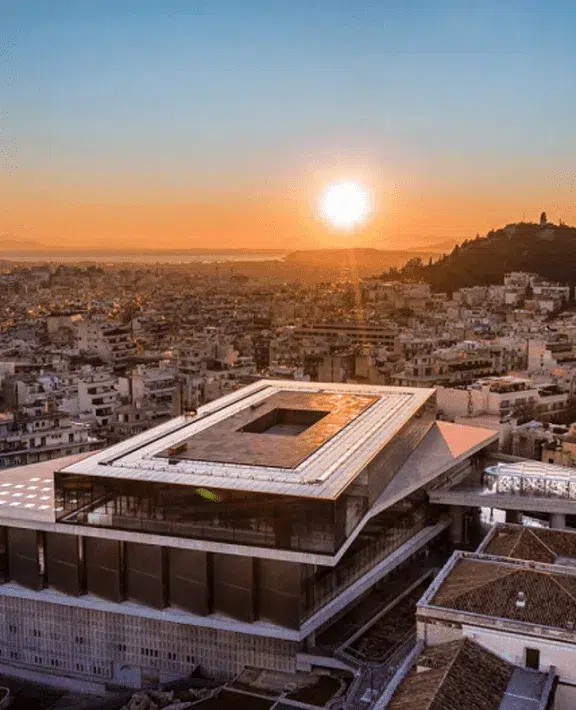
Acropolis Museum
Do this right after the Acropolis. It’s the best translation layer in Athens — you’ve walked the original site, and now you understand what you saw through sculpture, fragments, and context that clicks fast even for non-museum guests. It’s also one of our go-to moves in summer as a high-value break from the heat without losing the day’s momentum.
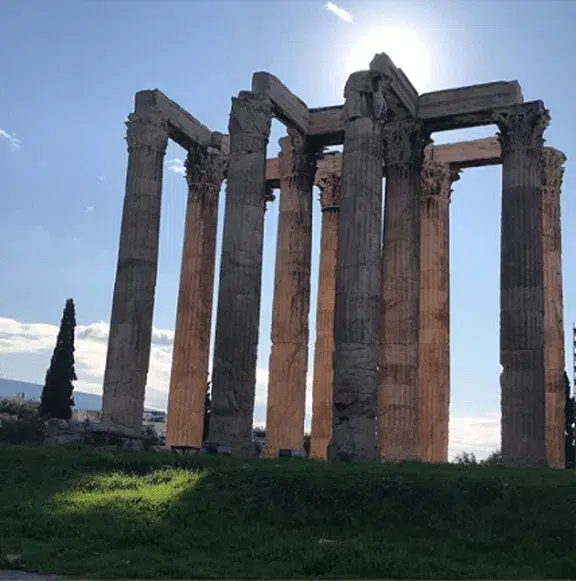
Temple of Olympian Zeus & Hadrian’s Arch
This is one of the easiest high-impact stops in central Athens. The surviving columns of the Temple of Olympian Zeus still feel oversized and dramatic, and Hadrian’s Arch gives you that clear visual bridge between classical Athens and its Roman layer. It works well when you want a major sight without turning the day into a full archaeological crawl.
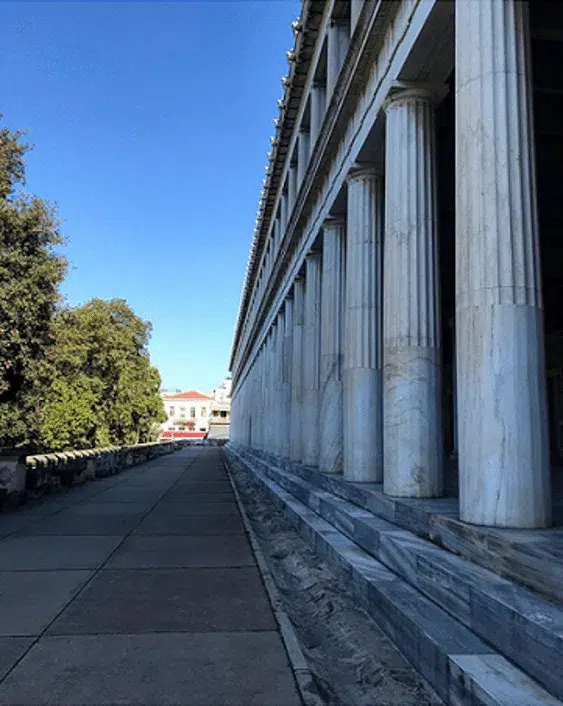
Ancient Agora & Temple of Hephaestus
If you want Athens to feel real, this is the site. The Agora was the civic engine room of the city — politics, philosophy, and public life — and it is one of the most readable ruins because the layout still makes sense as you walk it. The Temple of Hephaestus is a standout: one of the best-preserved major Greek temples anywhere, and the Stoa of Attalos helps you picture how the Agora worked as an active public space.
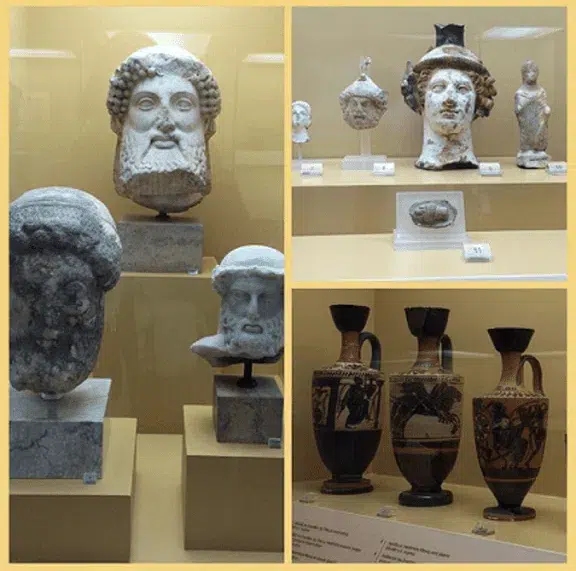
National Archaeological Museum
This is the heavyweight. If someone in your group wants one deeper museum visit, this is where Athens turns into a lens on all of Greece — Bronze Age treasures, iconic statues, and galleries that still reward a short, well-paced visit. We often recommend it when you have already done the Acropolis and want one serious museum that genuinely earns the time.

Plaka & Anafiotika
For texture and atmosphere, we always send clients here. Plaka is old Athens — lanes, shops, cafés — but Anafiotika is the secret mood: a tiny Cycladic-style pocket tucked under the Acropolis, whitewashed and unexpectedly quiet. It is also the perfect bridge to your charter, because you feel the islands before you leave the city.
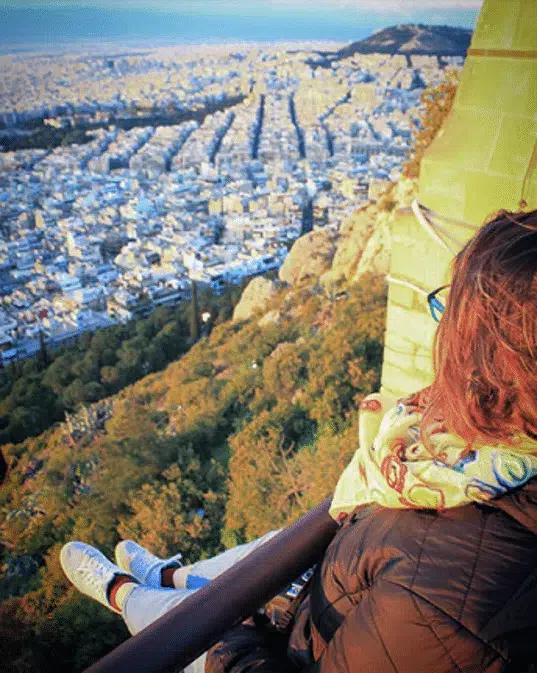
Lycabettus Hill
The best panoramic reset. We like it at golden hour before dinner — a simple, high-reward viewpoint that gives you the full Athens basin, the Acropolis silhouette, and a sense of how the city sits between mountains and sea.
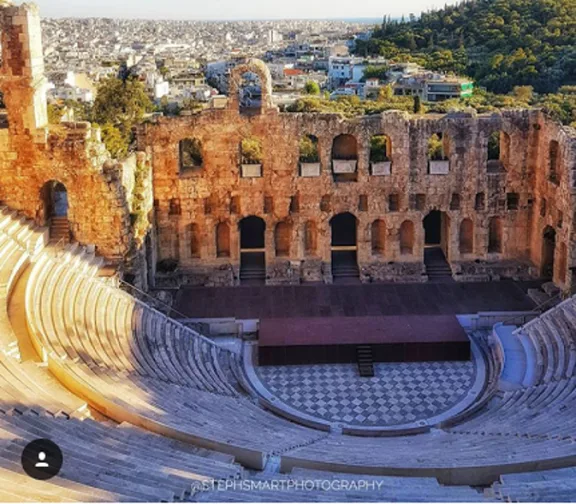
Odeon of Herodes Atticus & Theatre of Dionysus
If you can catch a performance at the Odeon, do it — it is one of those only-in-Athens nights where the ancient setting is the whole atmosphere. The Theatre of Dionysus on the Acropolis slopes is the historical counterpoint: the birthplace story of classical drama in the place it actually happened.
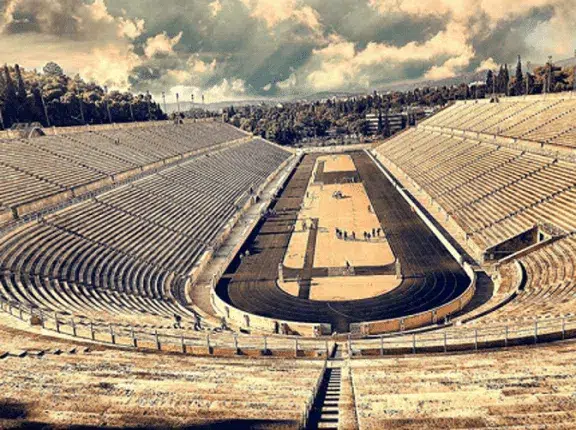
Panathenaic Stadium
The stadium is a modern reconstruction of an ancient stadium that was first built for the Panathenaic Games in 330 BC. The current marble stadium was completed for the 1896 Olympics, and it was also used during the 2004 Athens Olympics for archery and the marathon finish. It can hold 45,000 spectators, and the upper tiers give you sweeping views over Athens, the Acropolis, and the National Garden.