If the weather changes on your Greece yacht charter, the captain may change the route, slow the pace, swap overnight stops, or move you into a more protected area. That does not mean the trip is ruined. It means the itinerary needs to stay realistic for the conditions, especially on more exposed Cyclades charters. Our guide to Greece yacht charter prices has the full picture.
The good news is that this is exactly where proper planning helps. When we build a Greece charter, we do not just show you the prettiest sample itinerary. We help you choose the right region, yacht type, start point, and backup logic so weather changes feel manageable instead of like an unpleasant surprise.
Quick Answer
- Yes, weather can change the itinerary. That can mean different stop order, different overnights, shorter crossings, or a more protected route.
- The Cyclades are the most weather-sensitive mainstream charter area in Greece. That matters most in July and August, when the meltemi is strongest, especially on southern Cyclades routes.
- You do not need to read weather charts to understand the practical issue. In peak summer, once a Cyclades forecast starts moving into the mid-20-knot range and above, exposed legs stop feeling casual very quickly.
- Distance is part of the story. Athens to Mykonos is roughly 85 to 90 nautical miles, and Athens to Santorini is roughly 130 to 140 nautical miles, so fixed Athens-to-Cyclades plans need honest route design.
- If you dislike that level of flexibility, say so early. We will usually guide you toward late May, June, late September, early October, or a less wind-sensitive area such as the Saronic or Ionian.
- A bigger or faster yacht can help, but it does not override weather or port limitations.
- If Mykonos or Santorini are must-haves, the smartest solution is often better route design, not wishful thinking.
- The best protection is expert planning before you book. We can tell you when to keep the route ambitious, when to tighten it, and when another base or region is the better fit.

What Actually Changes When the Weather Turns?
The first thing to understand is that weather changes do not always look dramatic. Often, they look like a sensible captain protecting the comfort and realism of the week.
In practice, that can mean sheltering for a while, changing the order of the islands, skipping a more exposed leg, or keeping the yacht in a route family that gives the crew better options. The point is not danger. The point is that some routes are much more exposed than others, and some sample itineraries are easier to draw than they are to keep comfortably.
This is most obvious in the Cyclades in July and August, when the meltemi is strongest. You do not need to become a weather nerd to understand the takeaway: on a peak-summer Cyclades week, especially further south, flexibility is part of the trip.
What can change: the route itself
- the order of islands
- the overnight harbor or anchorage
- how long you stay in one place
- whether you make an exposed crossing at all
- in some cases, the island group you cruise
What does not change: the quality of the trip
- you still have the yacht, crew, chef, and service
- you can still swim, dine ashore, and enjoy beautiful stops
- a more protected route can still be an excellent Greece charter
- good planning turns flexibility into part of the experience instead of a disappointment
Broker insight
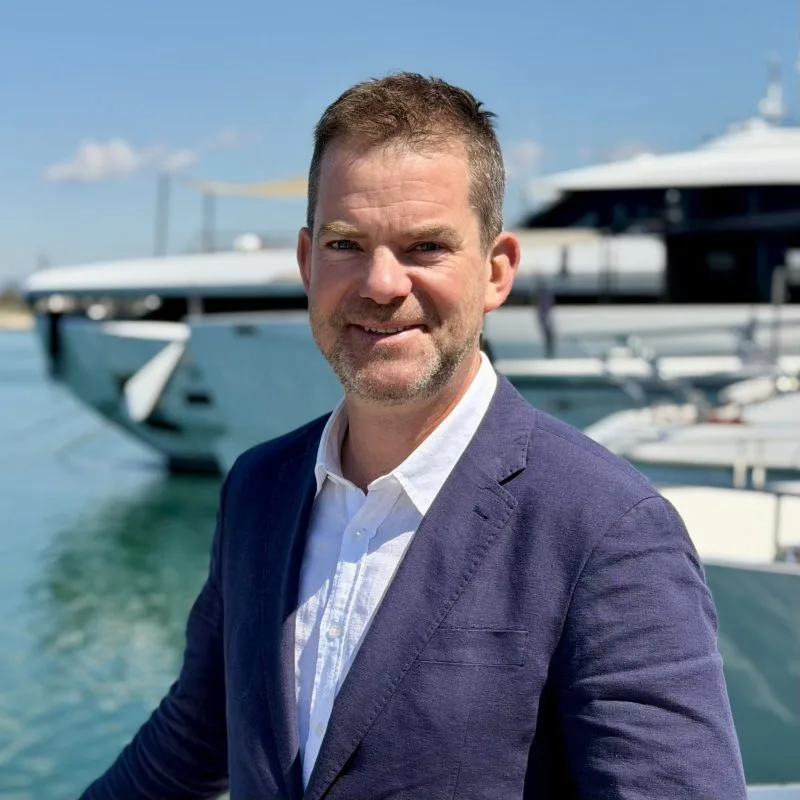
Weather changes are normal in Greece, not a disaster. A good captain reworks the route around the wind, and the guests who trust that call almost always end up somewhere better.
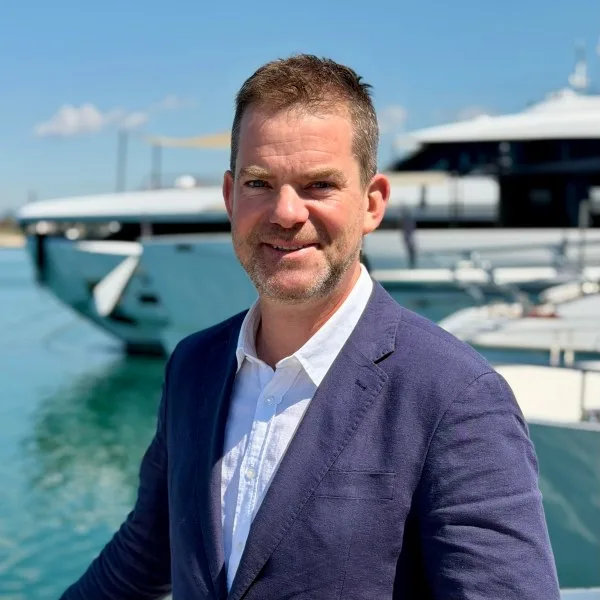 John Boullin
Charter Broker
John Boullin
Charter Broker
Why This Is More Important in Some Parts of Greece Than Others
This is where many charter briefs go wrong. Clients hear that itineraries are weather-permitted, but they do not always realize how different the route pressure can be between one Greek charter area and another.
If you are still deciding where to go, it helps to think in terms of exposure, comfort, and itinerary flexibility, not just which islands look best on Instagram. Our Greece Yacht Charter Itineraries: The Ultimate Guide compares the main Greek route options side by side.
Cyclades: most exposed
The Cyclades are the most requested islands in Greece, but they are also the area where weather changes matter most. In July and August, when the meltemi is strongest, it is not unusual to be dealing with exposed legs in the mid-20-knot range and above. If your week depends on fixed stops like Mykonos or Santorini, the plan needs to stay realistic from day one.
We often recommend a motor yacht, a tighter route, a one-way, or a direct Cyclades start when the brief is less flexible.
Saronic: most forgiving from Athens
The Saronic Gulf is much easier to manage when conditions change. Crossings are shorter, the area is more protected, and captains usually have more comfortable fallback options without the week feeling compromised.
This is one reason we often recommend the Saronic for first-timers, mixed-age groups, or clients who want a more relaxed charter from Athens.
Ionian: best comfort play
The Ionian is often the right answer when the priority is a smoother, more predictable summer week. It is a great fit for clients who care more about easy island-hopping and low route stress than chasing the most famous Cyclades names.
In our experience, the Ionian is one of the easiest ways to reduce weather anxiety without sacrificing the overall charter experience.
The Problem Is Usually Not the Weather Itself
The bigger problem is expectation mismatch.
If a client thinks “weather may affect the itinerary” means maybe swapping one lunch stop, and the reality is staying north, slowing down, or switching to a more protected route, that feels like a very different promise. That is why we prefer to explain the range of outcomes before booking, especially for peak-summer Cyclades charters.
If a client loves the Cyclades look but dislikes that kind of uncertainty, we will usually try a shoulder-season window first before pushing them into the wrong week.
Honest planning does not scare the right clients away. It helps them book the right trip.
How to Reduce the Chances of a Disappointing Weather Change
This is where a broker adds real value. There is no way to remove weather from a yacht charter, but there is a lot we can do to reduce the chance that a route change feels like a letdown.
1. Choose the right region
If you want a calmer, lower-pressure week, choose the Saronic or Ionian, or move the Cyclades into late May, June, late September, or early October. If you want the Cyclades in July or August, go in with the right expectations about exposure, distance, and flexibility.
2. Match the yacht type to the route
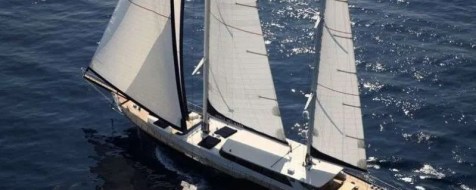
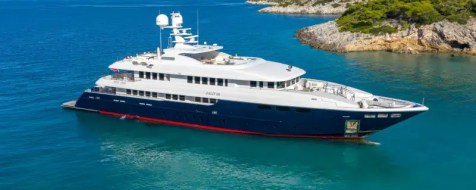
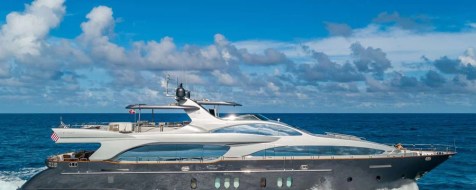
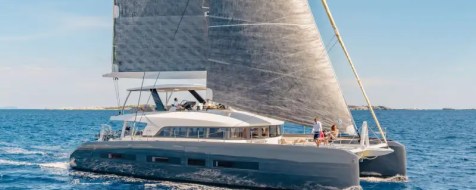
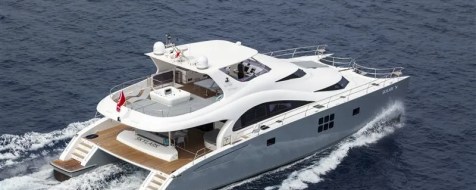
A faster yacht can make a tighter Greece brief more realistic. That is why we often recommend a motor yacht for one-week Cyclades plans with fixed headline stops. For a more protected route, catamarans can be an excellent fit.
3. Start from the smartest base
If the route is Cyclades-heavy, the start point matters. In some cases that means starting directly in Mykonos, Paros, or Santorini, choosing a one-way, or at least departing from a better Athens-area base such as Lavrion instead of forcing the longest version of the trip.
4. Be clear about your real non-negotiables
Tell us what actually matters most: specific islands, easy swimming, short crossings, nightlife, quiet anchorages, or a calmer guest experience. Once we know that, we can build the charter around the priorities instead of the prettiest sample map.
If Mykonos or Santorini Are Non-Negotiable
This is where we need to be especially practical. If Mykonos or Santorini are the emotional center of the trip, the answer is rarely to just hope an Athens round-trip works out perfectly.
The better solutions are often:
- start directly in the Cyclades
- finish there on a one-way route
- use a faster yacht type
- reduce the island count so the route has more slack
- book a different region if the group really wants a more comfortable, lower-pressure week
If your charter brief is really “we want a beautiful week in Greece,” there are many strong answers. If the brief is “we must do Mykonos and Santorini in one week from Athens and keep everything comfortable even if conditions turn,” then the planning needs to be much more specific. That is exactly why pieces like our Cyclades yacht-type guide and our one-week Cyclades realism guide matter.
A Useful Video if You Are Still Thinking About Cyclades Route Realism
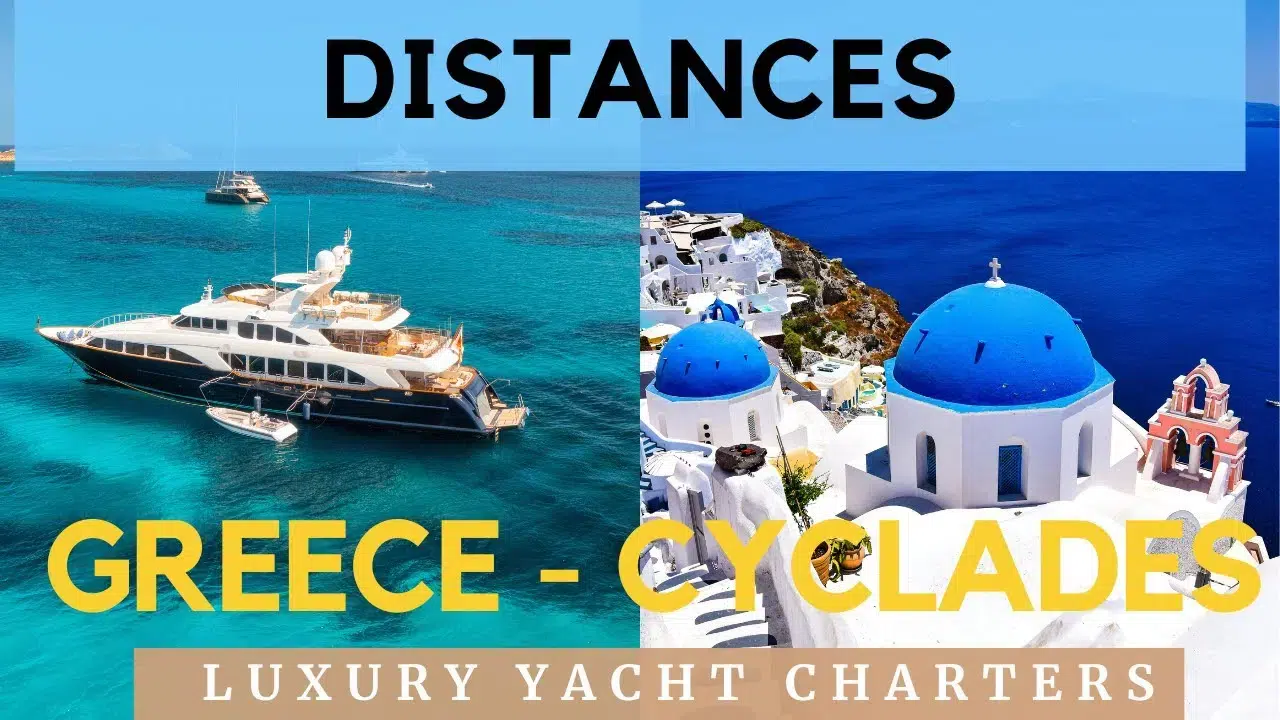
If you want a quick visual explanation of why this conversation keeps coming back to distance, this is a useful watch. Daniel breaks down the Cyclades mileage in plain terms, which is exactly why weather, yacht type, and start point all have to be planned together.
You can also browse more of our Greece planning videos on the myGreekCharter YouTube channel.
What the Captain Decides, and Why That Is a Good Thing
Your captain has the final operational word on the route. That is not a formality. It is one of the most valuable protections you have on the charter.
The captain is not trying to take parts of the trip away from you. The captain is trying to give you the best possible week within the real conditions: comfort, timing, safe harbor access, and what still makes sense on this yacht. Sometimes that means pushing on. Sometimes it means slowing down. Sometimes it means that the route which looked exciting on paper is no longer the right call for that day.
This is also why bigger yachts and stabilizers should not be sold as magic solutions. They may improve comfort, but they do not guarantee that an exposed crossing or a windy port remains the right plan.
How We Help Clients Plan Around This Before They Book
When a route is weather-sensitive, we prefer to talk through the charter in layers instead of pretending there is only one version of the week.
- ideal version: what the charter looks like if conditions cooperate
- reduced version: what gets tightened first if the weather is mixed
- protected fallback: which route or area still delivers a strong trip if the original plan becomes too exposed
- best yacht fit: whether the answer is a motor yacht, catamaran, or different start point
That way, when you book with us, you are not just buying a brochure itinerary. You are booking with a team that has already thought through how to keep the charter working if conditions change.
For some charters, especially more ambitious Cyclades weeks, we also like to align expectations early and make sure the route logic is clear before embarkation. That kind of upfront realism is one of the best ways to prevent disappointment later.
Broker insight
The disappointment is never the wind itself, it is a rigid must-do list. Build in one or two flexible days and a Meltemi week still feels like a great trip.
 Leonidas Marousos
Charter Broker
Leonidas Marousos
Charter Broker
Our Recommendation
If you are worried about weather changing your Greece yacht charter, the right response is not to avoid Greece. The right response is to choose a charter that fits your tolerance for flexibility.
If you want the easiest and most comfortable week, we may point you toward the Saronic or Ionian. If you want the Cyclades, we may recommend a better base, a faster yacht, a looser route, a one-way instead of a round-trip, or simply better dates. If you want specific headline stops, we will tell you the smartest way to protect them.
That is the real value of using a broker who knows Greece properly: we help make sure the charter still feels right even when the weather does what weather does.
If you want, send us your dates, guest count, budget, and must-see islands, and we can tell you very quickly whether your best fit is the Cyclades, the Saronic, the Ionian, or a different start altogether. You can also read what the booking process looks like and when each part of the season suits different charter styles.
People also ask
Does weather changing the route mean the charter is going wrong?
No. In most cases it means the captain is keeping the week comfortable and realistic. A route change is usually good management, not a failed trip.
Is this mainly a Cyclades issue?
Mostly, yes. The Cyclades are more exposed than the Saronic or Ionian, and that is most noticeable in July and August when the meltemi is strongest. Our Meltemi wind guide explains how captains route around it.
What if I want Mykonos and Santorini with as little flexibility as possible?
Then we would normally look at a direct Cyclades start, a one-way, a faster yacht, a tighter route, or better dates rather than trying to force the longest Athens round-trip version.
What if I dislike weather-dependent itineraries?
Tell us early. We will usually move you toward the Saronic or Ionian, or into late May, June, late September, or early October if the Cyclades are still the dream.
Does a bigger yacht guarantee that we can still do the plan?
No. A bigger or faster yacht can help with comfort and timing, but it does not override weather patterns, port limitations, or the captain’s operational judgment.




 iMessage
 WhatsApp