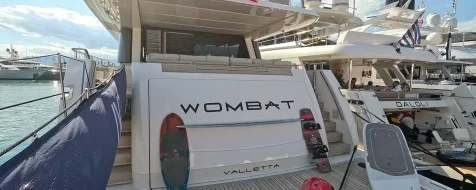
No, do not filter out the older yachts. Build year is a starting point, not a verdict, and a refit year on its own tells you almost nothing either. What decides your week is condition and care, and those are visible if you know where to look. Our guide to Greece yacht charter prices has the full picture.
Some of the best weeks we book in Greece happen on hulls from the 1990s that were rebuilt properly and are run by crew who have been aboard for years. Filter by launch date alone and you delete them from your own shortlist, usually in favour of a newer boat that is smaller, tighter, or greener in crew.
Here is what the 2 dates actually tell you, and what we check on your behalf before any of it reaches your shortlist.
Quick Answer
- Build year tells you the hull and the layout era. Refit year tells you whether someone has spent money since. Neither is a verdict on its own.
- A well refitted older yacht is often the better week, and frequently the best value on the list: more yacht, from a better yard, for the same budget as something newer and smaller.
- What matters is the pattern of care. Regular work every couple of winters beats one big refit after a decade of nothing.
- Condition shows in the details, and those are exactly what we check on board before a yacht reaches your shortlist.

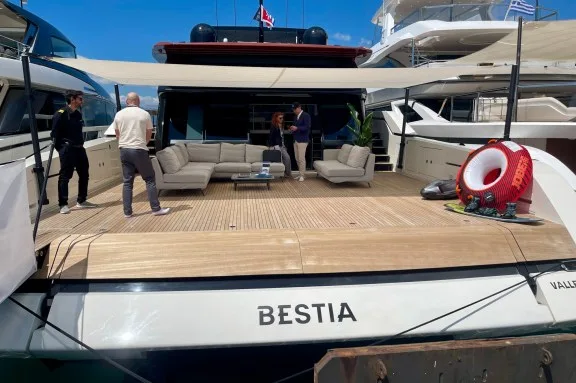
What Build Year and Refit Year Actually Tell You
Build year tells you about the bones: hull shape, deck layout, ceiling heights, whether there is a proper swim platform. Those rarely change, and a good layout from 2004 still feels generous in 2026.
Refit year tells you about the surfaces, and it is the least standardized number in this industry. One yacht’s 2022 refit was a full winter in the yard with new soft goods, teak, paint, systems and tenders. Another’s was fresh cushions and a deep clean. Both are written the same way.
So the year is not the question. We ask what was replaced rather than repaired, who did the work, and when the refit before that one was. That last answer is the most revealing. An owner who reinvests every few winters is telling you something different from one who let a decade pass before a single big yard period. Neither rules a yacht out, but it is worth knowing which one you are looking at.
Some of Our Favorite Yachts Are Older Boats With Great Refits
Older, recently refitted yachts are not a compromise category, and you can see it inside a single budget. Take the yachts on our Greek list that charter between 100,000 and 250,000 euros a week. The 42 built before 2015 and refitted in the 2020s average around 150 ft. The 22 newer yachts in the same band average around 135 ft. At the budget you are already spending, the reinvested older yacht is usually the bigger boat, with the deck space and cabin volume that comes with it.
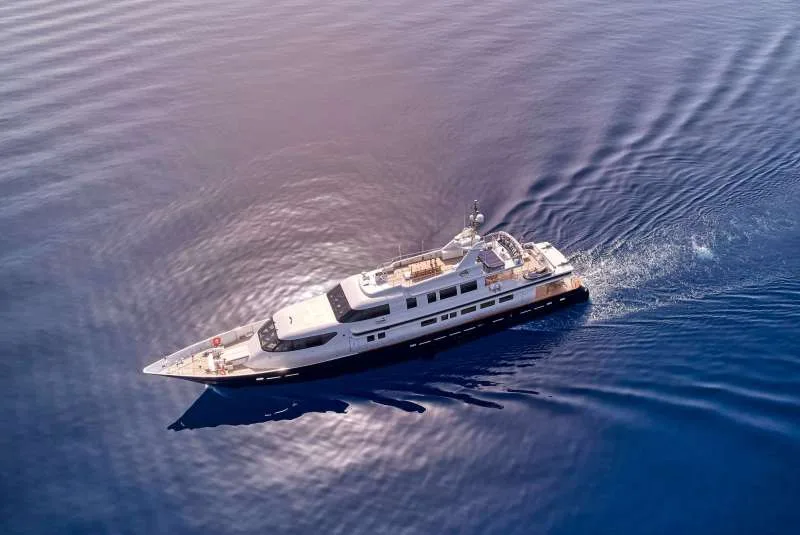
KOKOMO NIGHTS is a 1982 Picchiotti refitted in 2025, 156 ft, from 120,000 euros a week, with a jazz lounge, a piano and a sit-down bar you rarely find anymore. ABILITY is a 2007 Codecasa with a major refit across 2023 and 2024, 138 ft, from 110,000 euros, and one of our favorite interiors of the show. BLISS is a 2007 Heesen stripped back to the hull and refitted in 2025, 144 ft, from 195,000 euros, so every cabin is brand new. All 3 sit inside the range most of our clients actually book, and all 3 have had real money put back into them recently. That is what those listings are telling you. The signal is not the launch date, it is whether the owner keeps reinvesting. The same pattern runs through our Greek motor yacht fleet.
Broker insight
If an older build is on your shortlist, ask what the owner has actually spent on her. On one yacht we know well in Greece it was over 5 million euros to refurbish her. She has new engines and very good fuel consumption, and fuel comes out of your APA, so that shows up in your week.
 Yanna Pristas
Senior Charter Broker, Active CYBA Member
Yanna Pristas
Senior Charter Broker, Active CYBA Member
This is not a theory we are arguing, it is where a lot of the best value on our Greek list actually sits. Right now more than 200 yachts on our Greek list were built before 2013 and have had work done since 2021, and several of them are boats we recommend before their newer neighbours. 3 examples, all currently bookable:
GELLY is a 1992 hull, built in Greece and refitted in 2024. On launch date alone most people would scroll straight past her. What you actually get is 43 metres of yacht from about 67,000 euros a week, with a Cycladic interior in Greek white marble and a master cabin on the upper deck that is the highlight of the boat. That is a size and a standard that would cost you considerably more on a boat built this decade.
CORAL OCEAN is a 73 metre Lürssen from 1994, rebuilt from the hull up over two years. Chartering a Lürssen of that size straight from the yard is a different conversation entirely. Here the pedigree is intact, the yacht has been properly looked after, and she is a realistic booking.
SOJO is the clearest version of the argument: a 54 metre Benetti launched in 1984, heavily refitted in 2025, and named Best Refit of the Year in 2026. The hull is more than 40 years old, and she can absolutely compete with new. Her interior is contemporary and full of striking art, she has seven cabins, and she may be the best-value superyacht in Greece.
The pattern in all 3 is the same. The launch date told you almost nothing. The refit, the yard behind the hull, and the way the owner has maintained her told you everything.
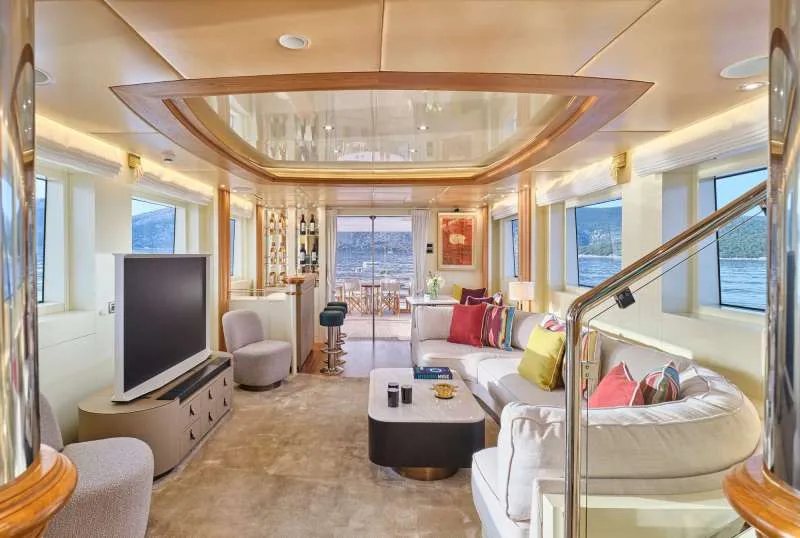
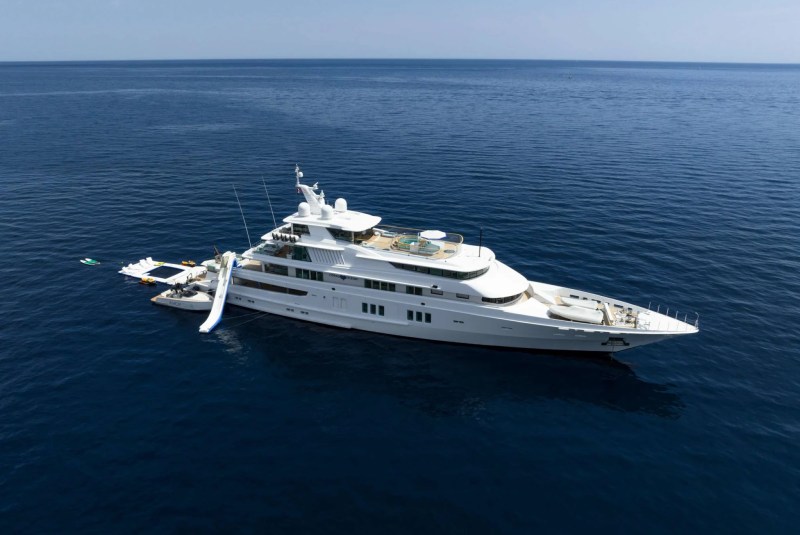
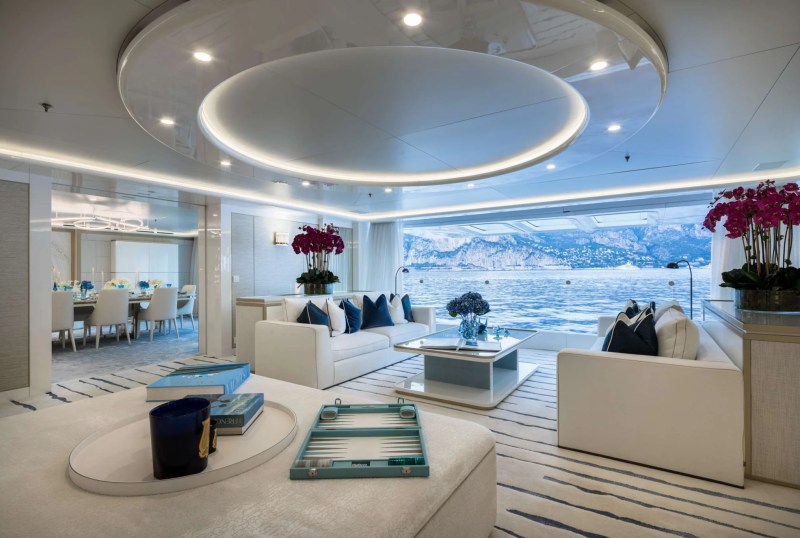

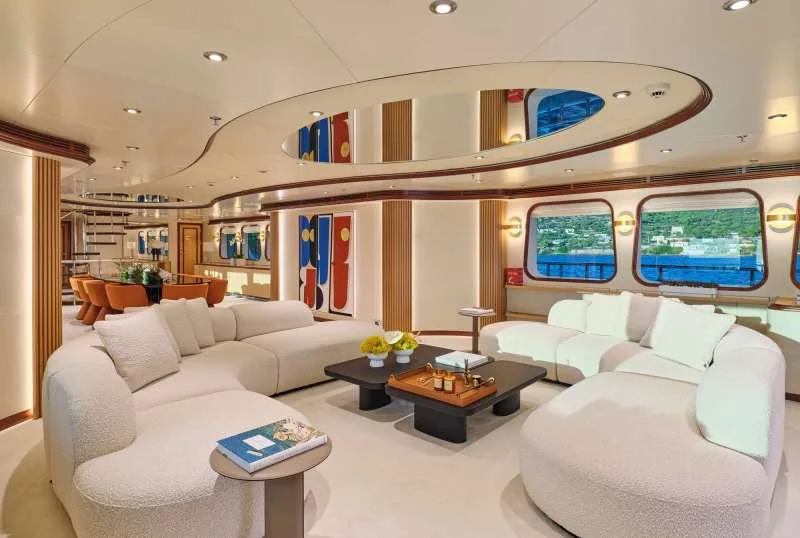
What Tired Looks Like When You Step Aboard
This is what a listing cannot show you, and it is why we go and look.
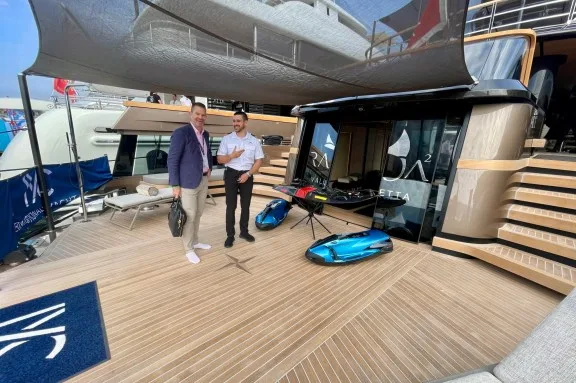
Tired is rarely dramatic. Nothing is broken. It is the silver lifting off the corners of the mirrors, teak gone grey rather than freshly scrubbed, soft goods acceptable but not gleaming, cushions that no longer quite match because they were replaced in batches. It is a new rug sitting exactly over the gouges in the saloon sole, rust creeping in by the heads, wiring never tucked away, pitted metal on the handles you touch all week.
None of that ruins a holiday on its own. But you look at those surfaces every hour for 7 days, and together they set the tone of the week. Condition on the day is also a turnaround question, which is why yacht turnaround time matters more than most guests expect. When we see it, we say so, and we put a different yacht in front of you.
Broker insight
When a listing says refit, I go and look at whether it feels like it. Paintwork on the outside decks, how clean the teak really is, whether the wiring is hidden, whether the door handles and metal fittings are pitted. If those are right, the yacht has been looked after. If they are not, the refit was a headline.
 William Mc Nally
Charter Broker, Associate CYBA Member
William Mc Nally
Charter Broker, Associate CYBA Member
Where This Leaves You
Shortlist by evidence, not by year: a recent walkthrough, feedback from people on board this season, a crew together long enough to run the yacht properly, and an owner who keeps reinvesting. If those 4 line up, a 2002 build beats a 2020 build nobody has looked after. Age is the easy question. The harder one is whether the evidence on a yacht actually matches what her listing claims, and we set that out in how to judge a yacht before you book her.
Tell us the week you have in mind and what you want out of it, and we will come back with yachts we can vouch for. A good place to start is the yachts we actually recommend in Greece, and our guide to what happens after you send an enquiry covers the rest of the process.
People also ask
Should I rule out a yacht built in the 1990s?
No. A 1990s hull refitted recently and well maintained often gives you a better week than a newer yacht that has been run hard. Judge the refit history and the crew, not the launch date.
What does refit 2022 actually mean?
Only that work was done in 2022. It ranges from a full yard period with new interiors, teak, paint and systems to new cushions and a deep clean. We ask what was replaced.














 iMessage
 WhatsApp