Most guests on a Greek yacht charter never get seasick. The ones who worry about it most are exactly the ones we plan for, because where you cruise, what you cruise on, and when you go decide how the water feels, and all 3 are settled before you ever step aboard.
We will be straight about the one honest condition: the meltemi wind makes the open Cyclades genuinely rough in July and August. Leonidas Marousos, the broker on our Greek desk who builds a calm-water backup plan into every windy-season itinerary he sells, answers it the same way every time: seasickness in Greece is a routing problem, not a dealbreaker. Here are the 6 things we do about it, in the order we do them.
1. Pick the Right Water
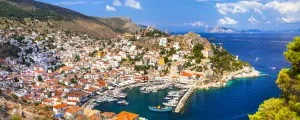
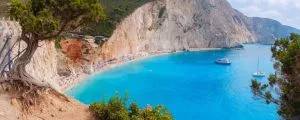
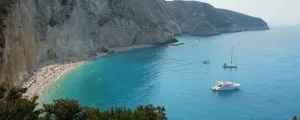
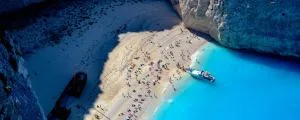
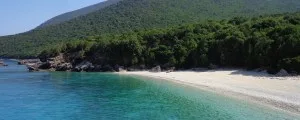
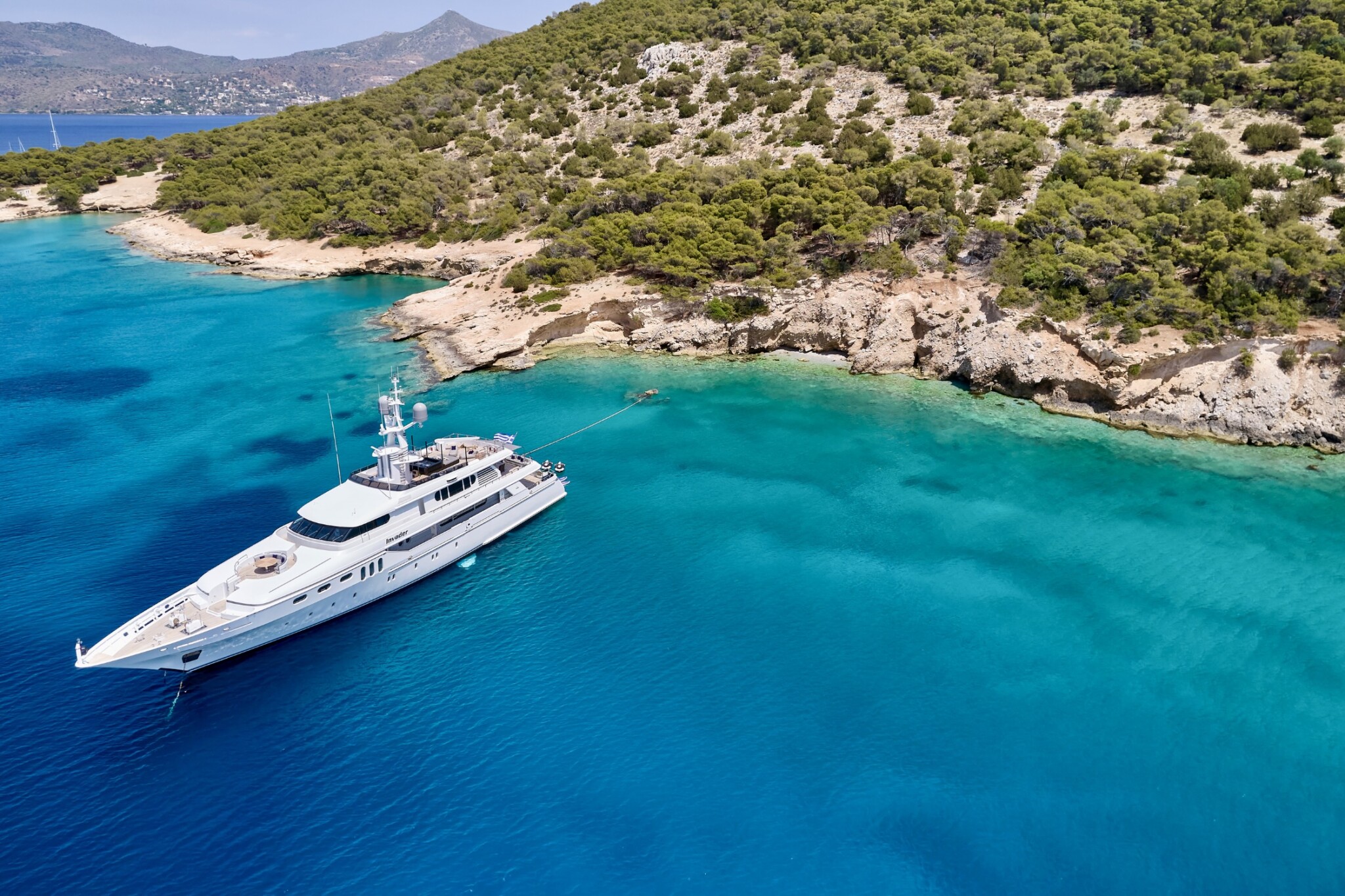
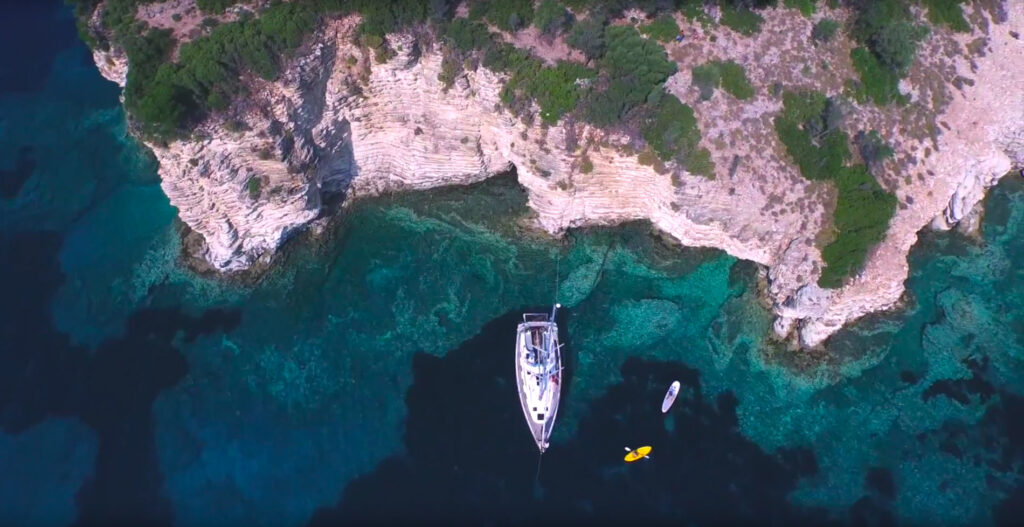
Greece is not one sea. The Ionian, on the west coast, sits outside the meltemi system entirely: green, sheltered, with a light afternoon breeze that eases by evening. The Saronic Gulf, an hour from Athens, is tucked behind the mainland and far more protected than the open Aegean, with islands 1 to 2 hours apart. The Cyclades are the famous postcard, and they are also the windy option in high summer.
Anyone who tells us they are worried about seasickness gets pointed at the first 2. When brokers on our own network ask where to send a guest who is nervous about the water, the answer is the same every time: the Ionian first, the Saronic close behind. We compare all 3 cruising areas properly in Saronic vs Ionian vs Cyclades.
Broker insight
We have long been chartering in the Ionian Sea. It has always been a personal favorite of mine, and most importantly, the weather here is much calmer compared to the Cyclades.
 Daniel Asmus
Owner, Charter Broker, Active CYBA Member, IYBA, ECPY
Daniel Asmus
Owner, Charter Broker, Active CYBA Member, IYBA, ECPY
2. Pick the Right Boat
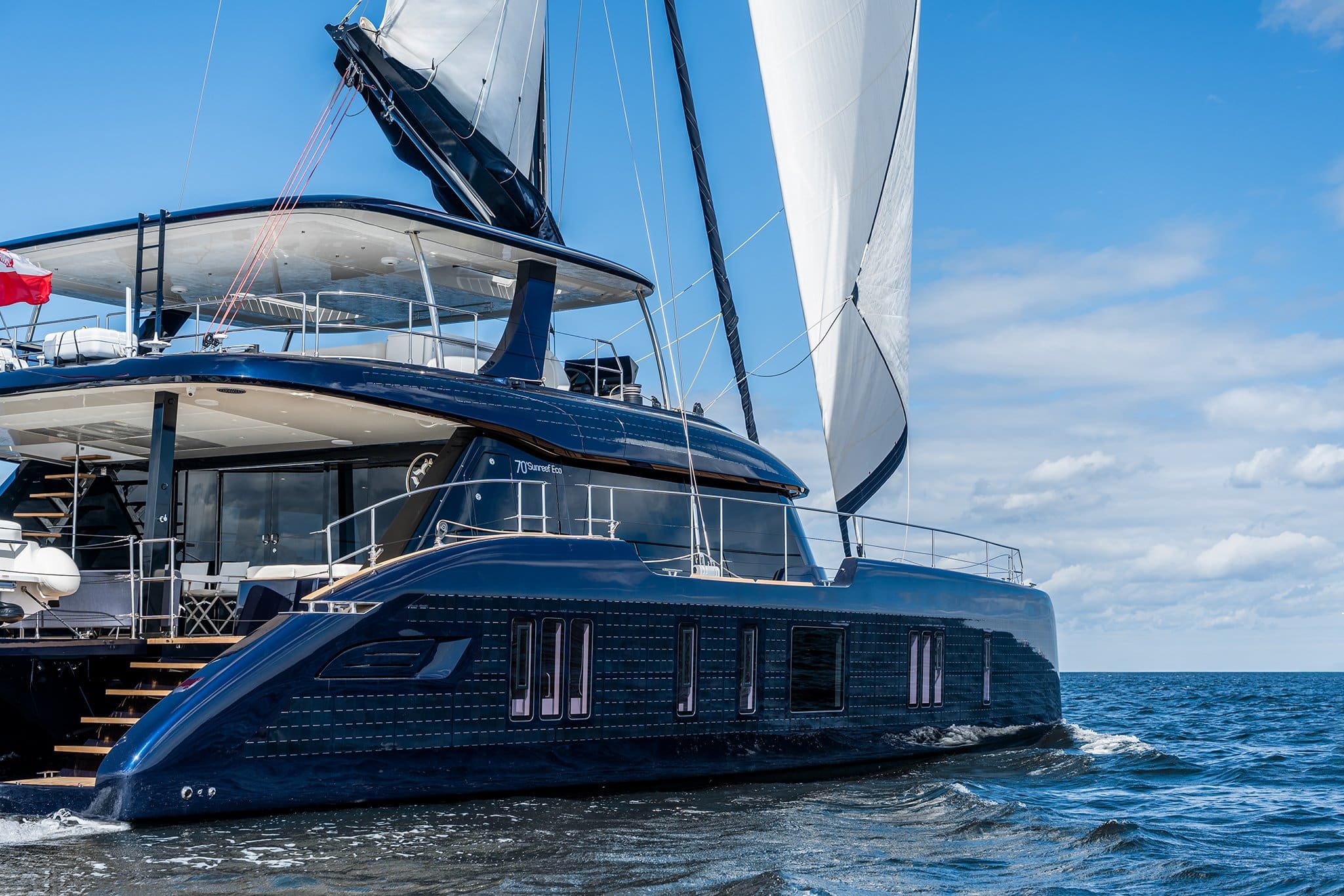
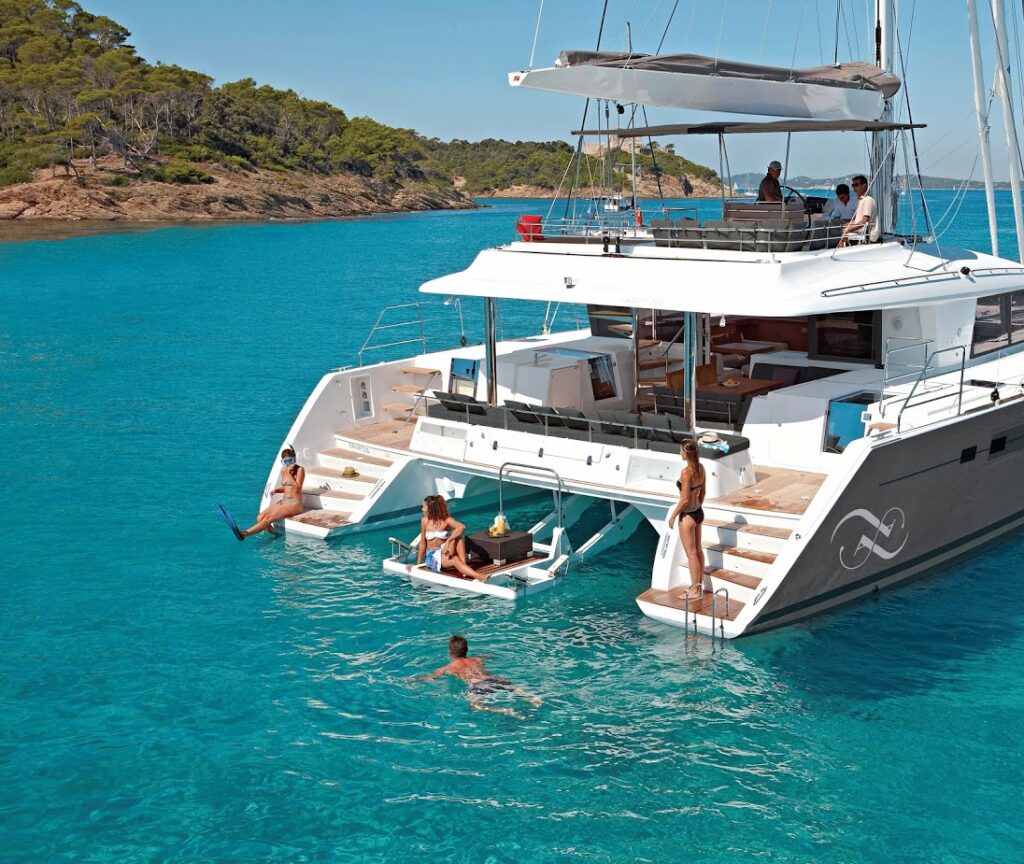
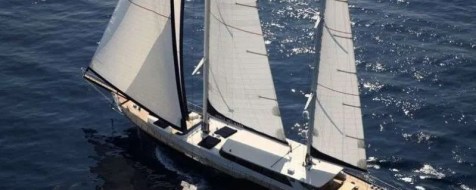
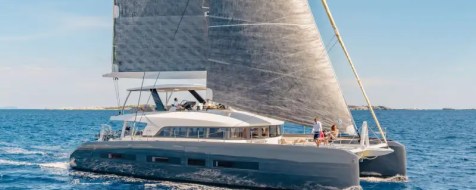
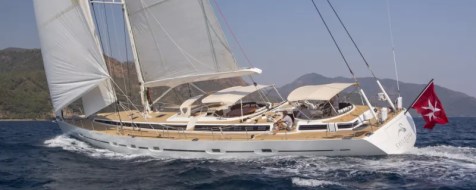
For most guests who are prone to motion sickness, a catamaran is the easier boat. A sailing monohull heels, leaning steadily to one side under way, and rolls at anchor. A catamaran stays close to flat: the 2 wide hulls give it so much stability that its motion is mostly a gentle fore-and-aft pitch rather than the slow rhythmic roll that sets most stomachs off. No boat makes seasickness impossible, but clients ask us for a catamaran for exactly this reason.
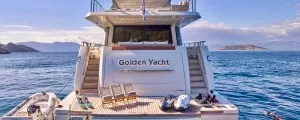
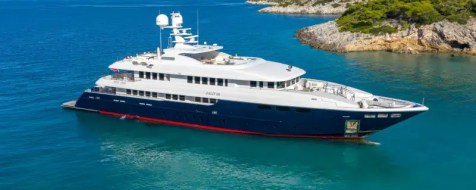
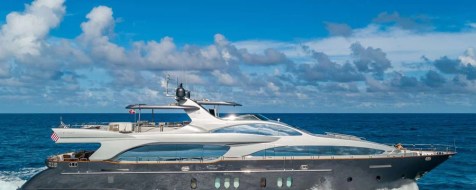
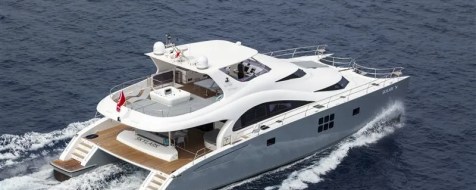
If your budget runs to a larger motor yacht, ask us about stabilizers. Fins that counteract roll, on some yachts at anchor as well as under way, are the most requested feature from our clients chartering with a seasick-prone guest aboard. And if you land on a catamaran, the next fork is sailing catamaran vs power catamaran: the power version shortens the exposed passages, which queasier groups appreciate.
3. Sleep at Anchor in Protected Bays
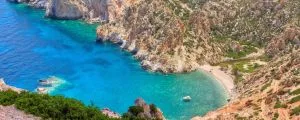
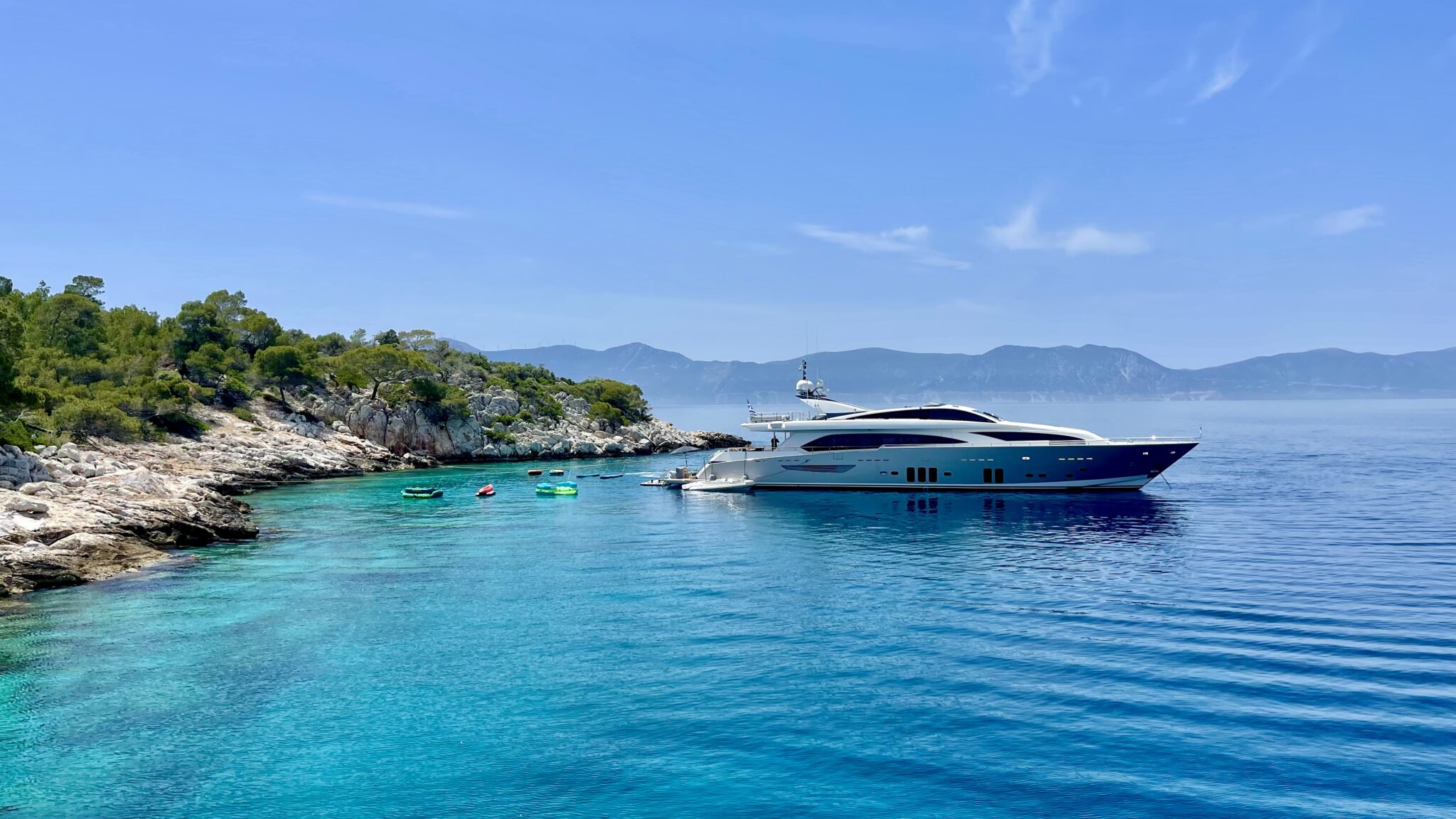
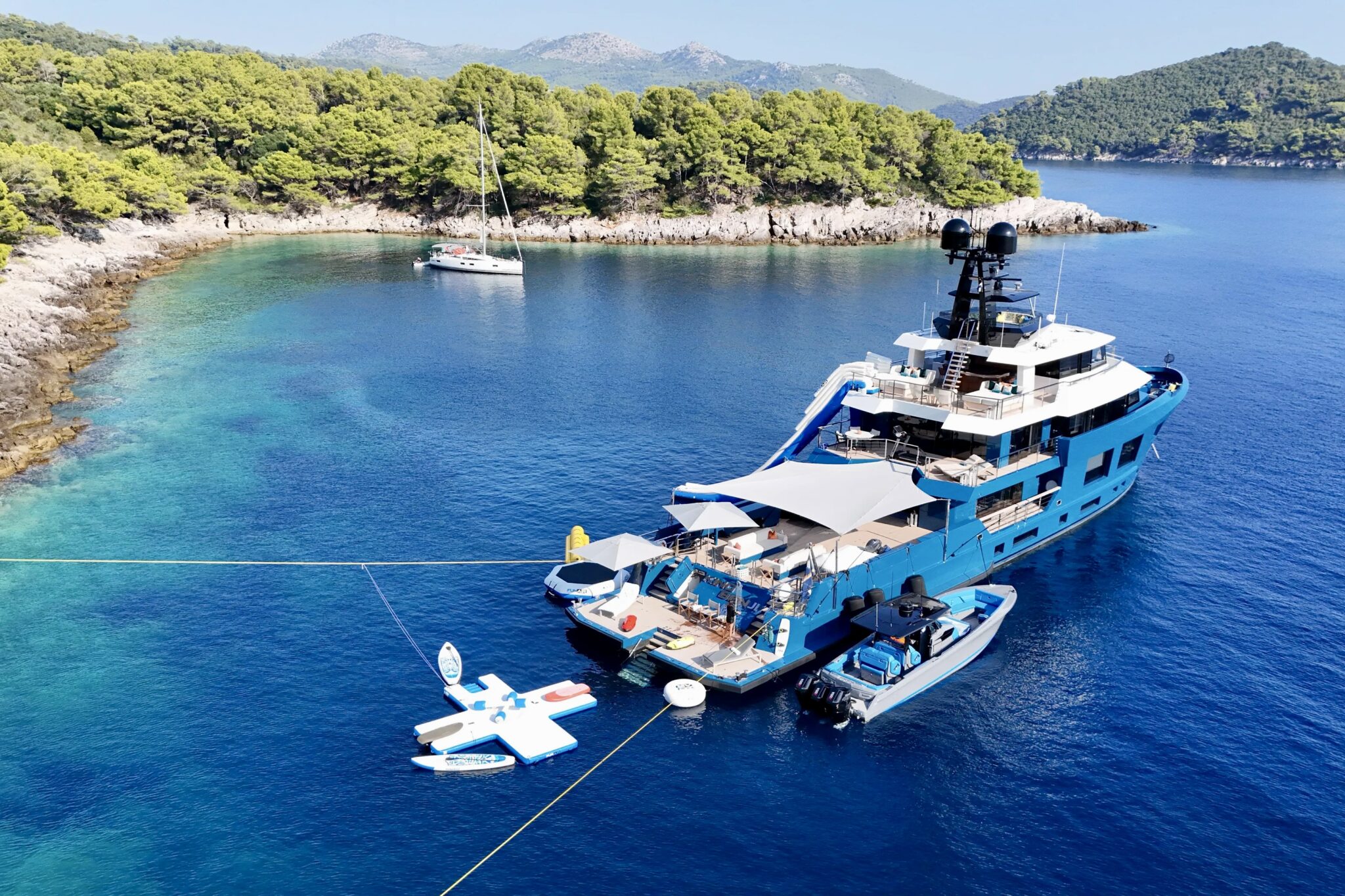
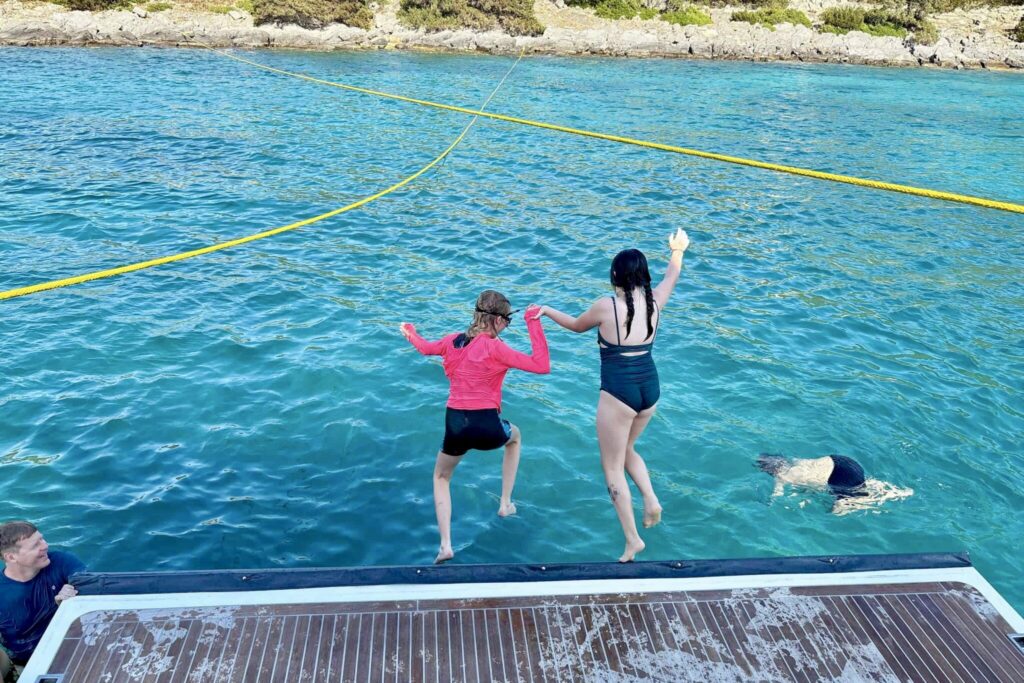
A charter week in Greece is mostly spent at rest, not under way. Our crews cruise in the morning, drop anchor in the lee of an island by early afternoon, and stay for the swim, the dinner, and the night. The same 25 knots that builds a 2 meter sea on an exposed crossing means flat water and swimming inside a sheltered bay.
That is why a bumpy hour under way is never a bumpy week. Passages in the Saronic and the Ionian run 1 to 2 hours, and everything else happens on still water. Stable nights at anchor are also why catamarans dominate our family charters in Greece: nobody sleeps badly, and nobody starts day 2 queasy.
4. Time the Season
The meltemi peaks from mid-July to mid-August in the Cyclades, blowing in spells of 3 to 6 days with near-calm stretches between. It is a dry, blue-sky wind, not a storm system, but at its height it can hold at Force 6 to 7 for days on an open crossing. In June and September it shows up less often and usually lighter, and spring is gentler still. If your dates are flexible and your heart is set on the Cyclades, shoulder season buys you calmer water and quieter harbors. The full mechanics are in our guide to how the meltemi shapes a Greek charter week.
Broker insight
I am straight with clients: July and August means about a 70 percent chance you cannot do the full Cyclades route. I advise them to look at June or September, or to pick the Saronic or the Ionian instead.
 Leonidas Marousos
Charter Broker
Leonidas Marousos
Charter Broker


5. Let the Crew Route Around the Forecast
Greek captains re-order islands around the wind mid-week, and it is routine, not an emergency. The forecast is watched fleet-wide days ahead: when a strong spell is coming, our brokers are checking in with captains before most guests have opened a weather app. A Greek itinerary is written in pencil, and that is a feature. The crew’s job is to keep you on the calm side of every island, and a week that quietly swaps an open crossing for a sheltered bay is the plan working, not the plan failing.
Broker insight
Before a windy-season Cyclades charter I build my clients a second itinerary for the Saronic and tell them, this is where you go if the weather turns. The plan B exists before anyone boards, so a change of route is never a surprise.
Leonidas Marousos
Charter Broker
6. What to Bring, and When Medication Makes Sense
This is the last rung for a reason: most of our guests never open the packet. The simple things work first. Stay on deck, watch the horizon, keep off screens while under way, and sit midship where the motion is smallest. Ginger, whether as tea, chews, or tablets, is the classic natural remedy, and acupressure wristbands are a drug-free option, though they do not work for everyone. Non-prescription motion sickness tablets exist too; drowsiness is the most common side effect, so talk to your pharmacist or doctor before the trip, especially if you are pregnant, traveling with children, or taking other medication. Pack the remedies, then let points 1 through 5 do the heavier lifting.
If seasickness is the worry standing between you and a Greek charter, say so in your first message to us. It changes the shortlist we build: calmer water, a catamaran or a stabilized motor yacht, short hops, and a still bay every night. Getting that right is our job, not yours.
People also ask
Is the Aegean Sea rough on a yacht charter?
It depends where and when. The open Cyclades in July and August are the roughest charter waters in Greece, with meltemi spells of Force 6 to 7. The Saronic Gulf, though technically Aegean water, sits behind the mainland and stays far calmer, and the Ionian on the west coast is a different sea entirely, outside the meltemi system. In June, September, and spring, even the Cyclades calm down considerably.
Are catamarans better than monohulls if you get seasick?
For most people, yes. A catamaran barely heels under way and sits nearly flat at anchor, so the slow rolling that triggers most seasickness largely disappears. No boat is seasickness-proof, but a catamaran is what we recommend first to guests who are prone to it. On larger budgets, a motor yacht with stabilizers is the other strong option.
Which Greek islands have the calmest water for someone prone to seasickness?
The Ionian islands (Corfu, Paxos, Lefkada, Kefalonia, and Ithaca) have the calmest charter water in Greece, with green, sheltered channels and no meltemi. The Saronic islands (Aegina, Poros, and Hydra) are a close second and start 1 to 2 hours from Athens, which makes them the easiest calm-water week to organize.
Should I take medication for seasickness on a Greek yacht charter?
Most of our guests never need it. If you know you are prone to motion sickness, it is sensible to pack a remedy and to talk to your pharmacist or doctor before the trip. Routing does more than the packet: on a catamaran in the Saronic or the Ionian, most guests who worried about seasickness never feel it.




 iMessage
 WhatsApp